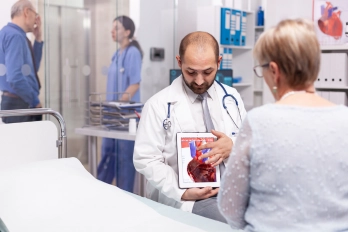
Heart care is more than just the expertise of a doctor. Diagnostic equipment, monitoring systems and skilled teams of healthcare professionals help clinicians assess the heart and plan appropriate care. Cardiac Care Technology combines the equipment and personnel to help diagnose and treat heart disease.
If you’re a student interested in healthcare and technology, understanding how these systems work is a meaningful first step toward a career on a cardiac care team.
What Is Technology in Cardiac Care?
Cardiac care technology is the use of special equipment to record and monitor information about the heart. Cardiac care technologists work under the direction of cardiologists and other health care professionals. Depending on their training and place of employment, they may help prepare patients, operate equipment, and record test results and assist during procedures.
Their work demands technical knowledge, attention to detail and good communication. You have to do a test carefully; equipment has to be used properly, patients have to know what’s going on.”
Technologies in Cardiac Care
Electrocardiogram (ECG)
An ECG is a recording of the electrical activity of the heart. It is used by healthcare professionals to check the rate and rhythm of the heart and to help assess certain heart conditions. A trained technologist will help position the electrodes, operate the machine and produce a clear recording for the clinician to review.
Echocardiography
An echocardiogram is when sound waves are used to take pictures of the heart. These images can help a health care team evaluate the structure, motion and pumping action of the heart. One such example is echocardiography. The information that imaging technology provides to clinicians cannot be obtained from an ECG alone.
Holter and Other Rhythm Monitors
Some heart rhythm problems may not be caught on a short ECG recording. A Holter monitor records the heart’s activity over an extended period, usually while a person is going about their normal activities. Healthcare professionals may also review the recording alongside a symptom or activity diary as part of the assessment.
Cardiac Catheterisation Laboratory Equipment
A cardiac catheterisation laboratory or cath lab is where procedures are performed to investigate heart and blood vessel problems. The clinical team may be guided in its work by imaging and monitoring equipment, in accordance with the procedure. Qualified professionals supervise cardiac technologists who may assist the team and help to ensure that equipment is prepared and functioning.
The Value of Talented Technologists
Technology is helpful only if used properly. Technologists help perform tests consistently, treat equipment with care, and report relevant observations to the clinical team. They also help patients feel informed and relaxed during procedures.
Cardiac care is a team game. Technologists do not diagnose or prescribe treatment on their own, but serve to support the cardiologist and larger healthcare team within their training and scope of practice.
Learning Cardiac Care Technology
Students entering this field can build a foundation in heart anatomy, cardiovascular physiology, ECG, patient care, equipment handling and clinical safety. Hands-on learning is also important because it helps students understand how procedures and equipment are used in actual health care settings.
As cardiac equipment and clinical techniques keep evolving, professionals must continue their education throughout their careers. And good fundamentals, accuracy, responsibility, communication and respect for patient safety are still essential, along with technical skills.
Discover a Future in Cardiac Care
If you are interested in the junction between healthcare and technology then check the Cardiac Care Technology course at Malabar Academy. The course page sets out a program with cardiac monitoring, catheterisation procedures, patient care and practical training. For current eligibility, course structure and training information contact the Academy.